We use cookies to understand how people use Nepal Untrodden and to improve the site. See our Privacy Policy for details. No data is sold.
Duration
10 days
Max Altitude
3.5 km
Difficulty
Moderate
Best months to visit
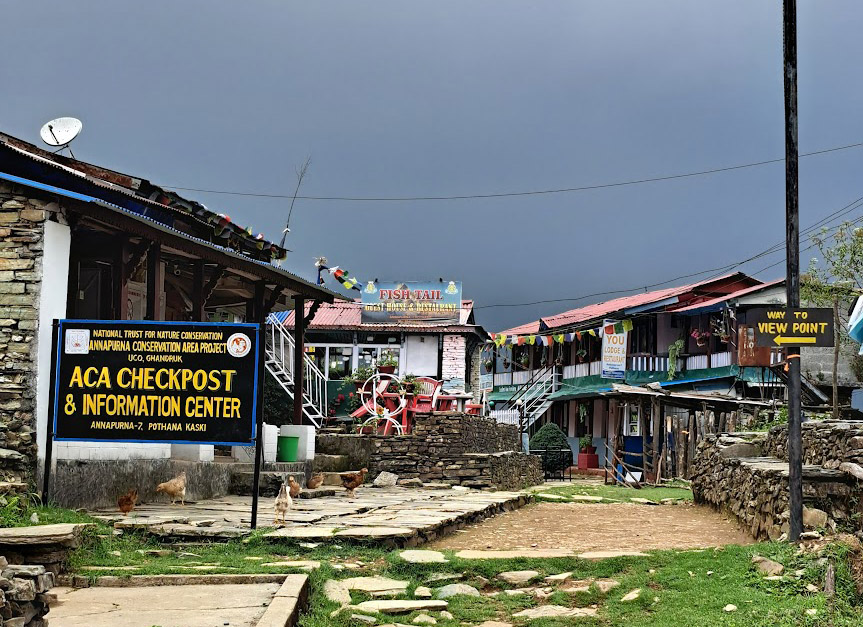
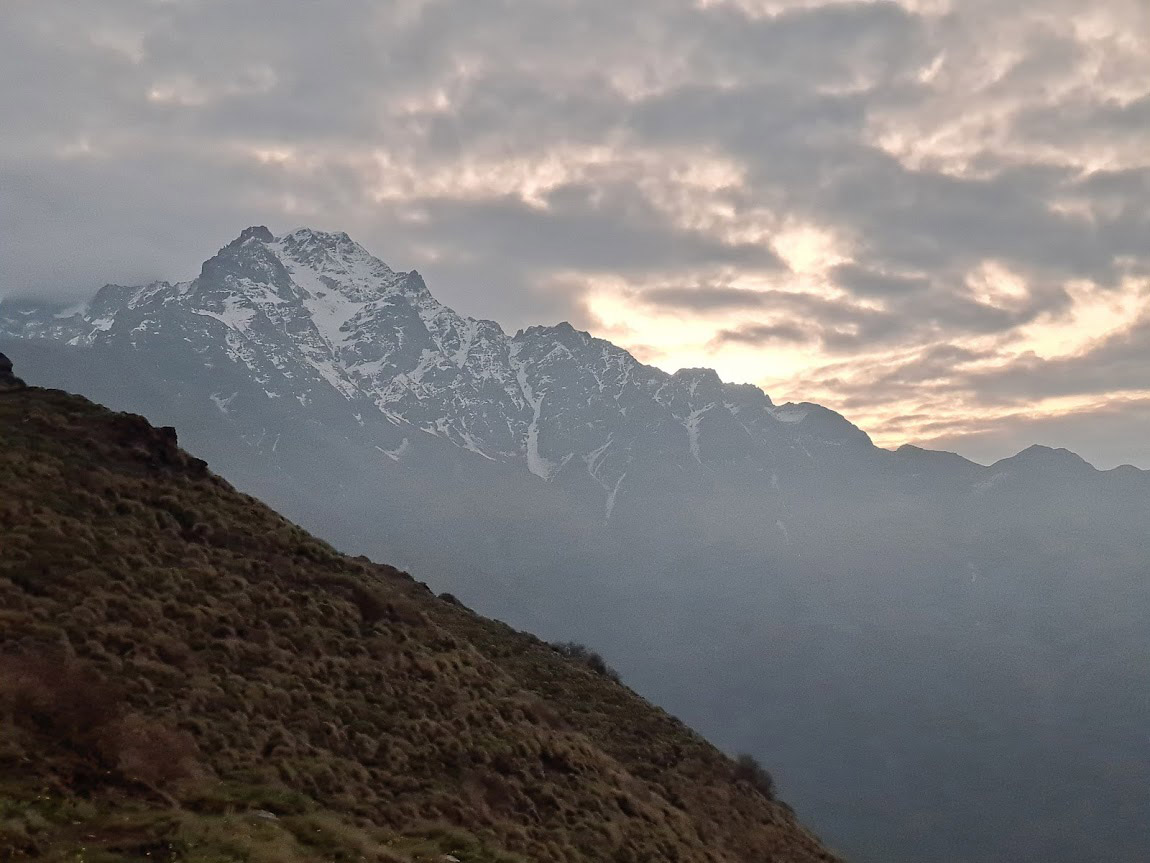
The Mardi Himal Trek is one of the shortest and most rewarding alternative treks in the Annapurna Region of Nepal. Far quieter and less crowded than the classic Annapurna Circuit or Base Camp routes, this trail offers trekkers an intimate experience with pristine natural landscapes, dense forests, and spectacular Himalayan panoramas. The route winds through lush green valleys, ancient rhododendron and oak forests, terraced farmland, and beautiful waterfalls, culminating at High Camp at an elevation of 3,550 metres. Throughout the journey, trekkers are treated to sweeping views of iconic peaks including Mardi Himal, South Annapurna, Dhaulagiri, Machhapuchhre (Fishtail), Nilgiri, and Hiunchuli. The trek begins with a scenic drive from Pokhara to Phedi (1,130 m), from where the trail ascends through the charming settlement of Australian Camp before reaching the village of Deurali. Subsequent days lead through progressively higher and more dramatic terrain — Forest Camp, Low Camp, and finally High Camp — each offering its own unique ecosystem and mountain vistas. The descent to Siding village on Day 7 provides a rewarding contrast, passing terraced farmlands and welcoming local communities before a drive back to Pokhara. Accommodation along the trail is provided in basic but comfortable teahouses, with full-board meals offered throughout the trek. The package includes a professional English-speaking licensed guide, one porter per two trekkers, all required permits (ACAP, Machhapuchhre Rural Municipality Permit, and TIMS), transport between Kathmandu and Pokhara, and complimentary use of a duffel bag, sleeping bag, trekking map, and first-aid supplies. Rated as a moderate trek, Mardi Himal is suitable for reasonably fit beginners and experienced trekkers alike. Trails can be rough and steep in sections, and high-altitude walking above 2,500 metres requires steady pacing and proper hydration. The best seasons to attempt this trek are Spring (March–May) and Autumn (September–November), when weather conditions are most stable and mountain views are at their clearest. This trek is ideal for those seeking a shorter, less commercialised Himalayan adventure without sacrificing scenic grandeur.
What's included
✓ Teahouse accommodation during the trek; twin-sharing standard hotel in Kathmandu (2 nights) and Pokhara (2 nights)
✓ Full board meals (breakfast, lunch, dinner) during the trek; breakfast only in cities
✓ Airport arrival/departure transfers by private vehicle
✓ Kathmandu to Pokhara and return by tourist bus
✓ Vehicle drive from Pokhara to Phedi and Siding to Pokhara
✓ Professional English-speaking licensed guide
✓ 1 porter per 2 trekkers (10 kg luggage limit per trekker)
✓ Guide and porter wages, accommodation, meals, transportation, insurance, and medications
✓ Annapurna Conservation Area Permit (ACAP)
✓ Machhapuchhre Rural Municipality Permit
✓ Trekkers Information Management System (TIMS) permit
✓ Complimentary duffel bag, sleeping bag, trekking map, and water purification solution
✓ First-aid kit
✓ Emergency evacuation (funded by travel insurance)
✓ All government and local taxes and administrative expenses
✓ Complimentary farewell dinner
Not included
✕ International airfares
✕ Nepal visa fees
✕ Travel insurance
✕ Personal expenses (charging devices, Wi-Fi, hot water, laundry, etc.)
✕ Lunch and dinner in cities
✕ Drinks (bottled mineral water, alcoholic/cold drinks, juices, tea/coffee)
✕ Extra baggage charges beyond 10 kg limit
✕ Extra costs due to unforeseen events (natural disasters, political disruptions, etc.)
✕ Tips for guides, porters, or any donations
✕ Extra night accommodation in Kathmandu or Pokhara due to early arrival or late departure
✕ Flight or private vehicle upgrade from Kathmandu to Pokhara (available at extra cost)
🌿 Cultural Note
The Mardi Himal region is home to traditional Gurung and Magar communities whose livelihoods are closely tied to agriculture and mountain tourism. Trekkers are encouraged to dress modestly when passing through villages, ask permission before photographing locals, and support teahouse owners by purchasing meals and drinks on-trail. Removing shoes before entering teahouse dining areas or local homes is customary. The area falls within the Annapurna Conservation Area, so littering is prohibited and trekkers should use biodegradable products wherever possible to preserve the pristine environment.
Cancellation Policy — Moderate
Cancellation time is measured from your trip start date.
Reviews
No reviews yet — be the first to leave one after your trip.
Useful information