We use cookies to understand how people use Nepal Untrodden and to improve the site. See our Privacy Policy for details. No data is sold.
Duration
20 days
Max Altitude
5.1 km
Difficulty
Hard
Best months to visit
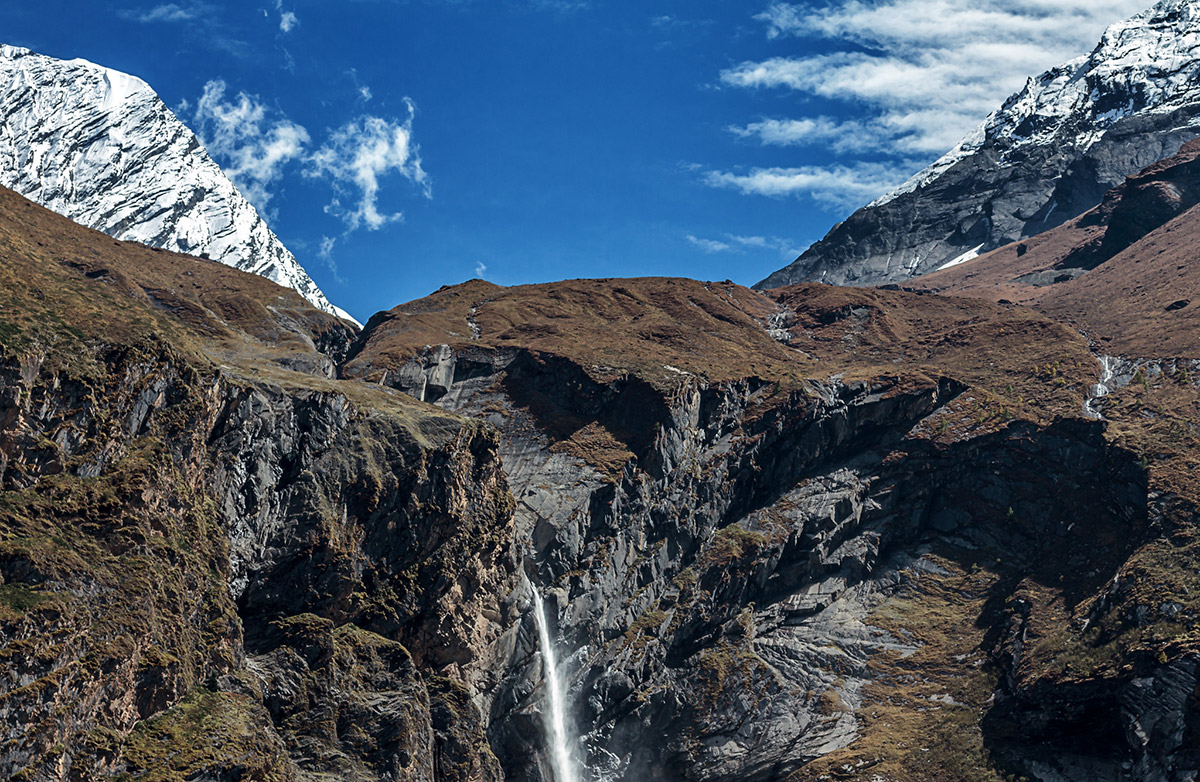
The Manaslu Tsum Valley Trek is an off-beat, immersive Himalayan adventure that combines the renowned Manaslu Circuit Trek with the rarely visited and spiritually significant Tsum Valley. Located in the Manaslu Region of Nepal, this trek is slowly gaining popularity among seasoned trekkers who seek pristine landscapes, rich cultural encounters, and dramatic high-altitude terrain far from the crowds of more commercialized routes. The Tsum Valley is considered a sacred Himalayan pilgrimage region, and its residents — known as Tsumbas — follow a unique blend of Bon and Buddhism. They speak a distinctive dialect called Tsumke, and the valley adheres to strict cultural prohibitions against animal sacrifice and the consumption of meat, giving it a spiritually serene atmosphere. Trekkers can visit numerous ancient Buddhist monasteries along the way, including the revered Mu Gompa, making this trek a profound cultural and religious journey as much as a physical one. The trail winds through lush river valleys, terraced farmlands, dense forests, and remote high-altitude settlements, offering spectacular panoramic views of some of Nepal's most iconic peaks including Manaslu (8,163 m), Himlung, Annapurna II, Cheo, Ganesh, and Shiringi. The highest point of the trek is the formidable Larkya La Pass at 5,106 meters, a challenging crossing that rewards trekkers with breathtaking mountain vistas. Spanning 20 days from Machha Khola to Tilije, the route includes an essential acclimatization day at Sama Gaon before the high-altitude push. Accommodation is provided in basic but comfortable teahouses, and full-board meals are included throughout the trek. Required permits include the Manaslu Conservation Area Permit, Manaslu Restricted Area Permit, Tsum Valley Restricted Area Permit, Annapurna Conservation Area Permit, and TIMS card — all arranged by the operator. Best undertaken in spring (March–May) or autumn (September–November), this trek is graded difficult and is best suited to physically fit trekkers with prior high-altitude trekking experience. It offers an extraordinary blend of wild nature, Buddhist heritage, and Himalayan grandeur.
What's included
✓ Teahouse accommodation during the trek (twin-sharing standard hotels in Kathmandu for 3 nights)
✓ Full board meals (breakfast, lunch, dinner) during the trek; breakfast only in cities
✓ Airport arrival and departure transfers by private vehicle
✓ Vehicle drive from Kathmandu to Machha Khola
✓ Vehicle drive from Tilije to Besishahar (by jeep) and Besishahar to Kathmandu
✓ Professional English-speaking licensed trekking guide
✓ 1 porter for every 2 trekkers (10 kg luggage limit each)
✓ All guide and porter expenses (wages, accommodation, meals, transportation, insurance, medications)
✓ Manaslu Restricted Area Permit (RAP)
✓ Tsum Valley Restricted Area Permit (RAP)
✓ Manaslu Conservation Area Permit (MCAP)
✓ Annapurna Conservation Area Permit (ACAP)
✓ TIMS card
✓ Complimentary duffel bag, sleeping bag, trekking map, water purification solution, and first-aid kit
✓ Emergency evacuation (funded by travel insurance)
✓ All government and local taxes and administrative expenses
✓ Complimentary farewell dinner
Not included
✕ International airfares
✕ Nepal visa fees
✕ Travel insurance
✕ Personal expenses (clothes, charging devices, Wi-Fi, hot water, laundry, extra meals, etc.)
✕ Lunch and dinner in cities
✕ Drinks (bottled mineral water, alcoholic/cold drinks, juices, tea/coffee, etc.)
✕ Extra baggage charges (over 10 kg limit)
✕ Extra costs due to unforeseen events
✕ Tips for guides, porters, or any donations
✕ Extra night accommodation in Kathmandu or Pokhara due to early arrival or late departure
✕ Optional Kathmandu sightseeing tour
✕ Private vehicle upgrades for transportation
🌿 Cultural Note
The Tsum Valley is a sacred Himalayan region whose residents, the Tsumbas, practice a blend of Bon and Tibetan Buddhism and speak a unique dialect called Tsumke. Animal sacrifice is strictly prohibited in the valley and meat is not permitted — trekkers should respect these customs throughout their visit. Dress modestly when visiting monasteries, walk clockwise around stupas and mani walls, and seek permission before photographing locals or religious sites.
Cancellation Policy — Moderate
Cancellation time is measured from your trip start date.
Reviews
No reviews yet — be the first to leave one after your trip.
Useful information