We use cookies to understand how people use Nepal Untrodden and to improve the site. See our Privacy Policy for details. No data is sold.
Duration
14 days
Max Altitude
4.0 km
Difficulty
Hard
Best months to visit
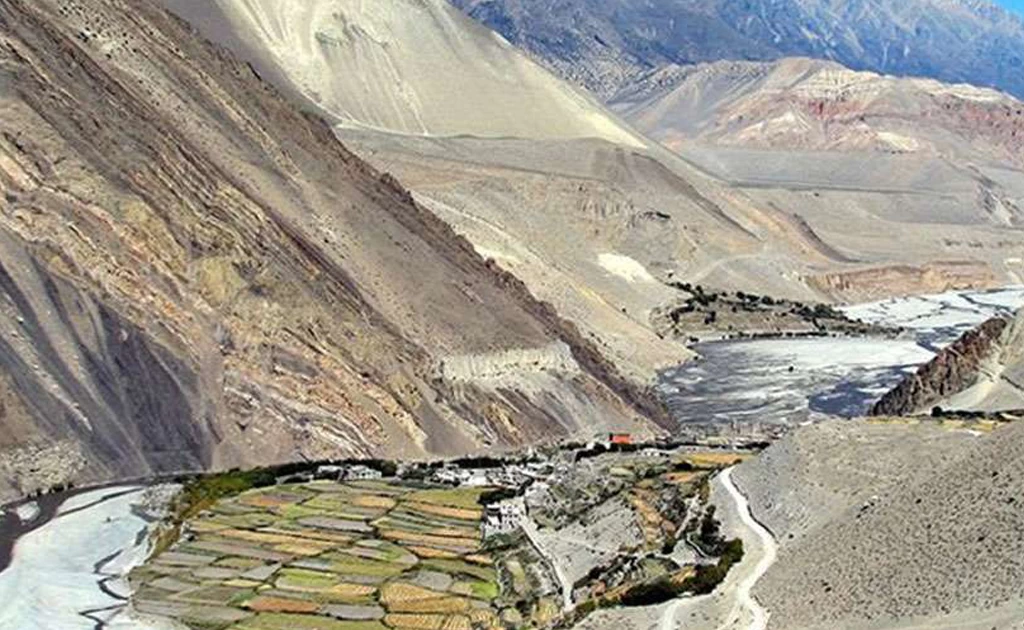
The Lower Mustang Trek is a 14-day classic Himalayan adventure that takes trekkers through one of Nepal's most culturally and geographically diverse regions, straddling the fringes of the Tibetan plateau between the iconic Dhaulagiri and Annapurna mountain ranges. This rewarding journey offers an extraordinary blend of natural beauty and ancient culture, without requiring extreme high-altitude acclimatization, making it accessible to trekkers with a moderate level of fitness. Beginning in Kathmandu with a city tour of UNESCO World Heritage Sites such as Boudhanath Stupa, Pashupatinath, and Swayambhunath, trekkers fly to Pokhara before heading into the hills. The route passes through iconic waypoints including Poon Hill, where sunrise views of the Annapurna and Dhaulagiri ranges are simply breathtaking, and Tatopani, where natural hot springs offer well-deserved relief after days on the trail. The trek then descends into the Mustang valley, passing through charming villages like Ghasa, Tukuche, and Marpha — renowned for its apple orchards and Tibetan Buddhist architecture — before reaching the medieval trading town of Kagbeni and culminating at the sacred pilgrimage site of Muktinath at 3,800 meters. Muktinath is revered by both Hindus and Buddhists, and encountering pilgrims alongside Tibetan traders on the trail adds a deeply spiritual and multicultural dimension to the experience. Throughout the trek, trekkers encounter communities who have carved their livelihoods from barren plateaus and steep terraced farmland for thousands of years, offering a rare window into one of the world's most isolated and ancient ways of life. Accommodation is in traditional teahouse lodges along the trail, with full-board meals included during the trekking days. The return journey involves a scenic flight from Jomsom to Pokhara, followed by a tour of Pokhara's natural attractions before returning to Kathmandu. The best seasons are spring (March–May) and autumn (September–November), when weather is stable, skies are clear, and mountain views are at their finest.
What's included
✓ All ground transportation by private tourist vehicles
✓ Ground transportation by tourist bus/car/van from Kathmandu–Pokhara–Kathmandu
✓ Domestic flights (Pokhara–Jomsom–Pokhara) and airport departure taxes
✓ Full board meals 3 times a day during trekking (breakfast, lunch and dinner)
✓ Hotel in Kathmandu and Pokhara as per itinerary with breakfast
✓ Professional tour guide for Kathmandu city tour
✓ Monument entrance fees during Kathmandu city tour
✓ Government licensed English-speaking guide during trek
✓ Porters to carry luggage (1 porter per 2 persons), including their food, accommodation, salary, insurance, equipment and medicine
✓ All necessary permits and TIMS card
✓ Travel and rescue arrangement
✓ Farewell dinner at a typical Nepali restaurant with cultural dance show
✓ All government taxes, VAT, official expenses and service charges
✓ Free airport pick-up and drop-off service
✓ Licensed guide
Not included
✕ International flights, airport taxes and Nepal visa fee
✕ Major meals in Kathmandu and Pokhara
✕ Personal expenses such as bar bills, bottled water, tea/coffee, snacks, hot shower, battery recharge and laundry
✕ Personal clothing and trekking gear
✕ Sleeping bag and down jacket
✕ Tips for guides and porters
✕ Costs arising from flight cancellation, emergency rescue, landslide, weather, political unrest, illness or re-routing
✕ Travel insurance
✕ Flights
✕ Visa fees
✕ Personal gear
✕ Emergency evacuation
🌿 Cultural Note
The Lower Mustang region is steeped in Tibetan Buddhist culture, with ancient monasteries, chortens and prayer flags dotting the landscape. Muktinath is one of the most sacred pilgrimage sites in the Hindu and Buddhist worlds — trekkers should behave respectfully, dress modestly and follow local customs when visiting temples and shrines. The local Thakali and Loba people have maintained traditions rooted in trans-Himalayan trade for centuries; greeting locals with 'Namaste' and asking permission before photographing people are considered good etiquette.
Cancellation Policy — Moderate
Cancellation time is measured from your trip start date.
Reviews
No reviews yet — be the first to leave one after your trip.
Useful information