We use cookies to understand how people use Nepal Untrodden and to improve the site. See our Privacy Policy for details. No data is sold.
Duration
10 days
Max Altitude
5.0 km
Difficulty
Moderate
Best months to visit
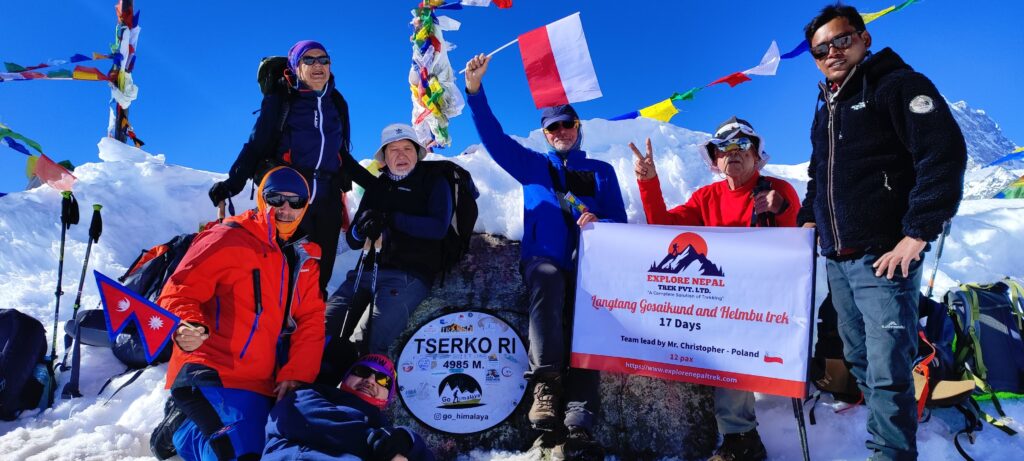
The Langtang Valley Trek is one of the most accessible and rewarding treks in Nepal, situated just north of Kathmandu in the stunning Langtang region. Often called the 'valley of glaciers,' this moderate trek takes adventurers through Langtang National Park, offering a rich tapestry of natural beauty, cultural heritage, and high-altitude adventure without the lengthy travel times required for more remote trekking destinations. The journey begins with a scenic drive from Kathmandu to Syabrubesi, the gateway to the Langtang Valley. From here, trekkers ascend gradually through dense forests of rhododendron, hemlock, oak, and juniper, passing through traditional Tamang villages where local culture and warm hospitality are on full display. The Tamang people, with their Tibetan Buddhist heritage, have shaped this landscape over centuries, and their influence is evident in the numerous mani walls, prayer flags, and chortens that line the trail. The trek culminates at Kyanjin Gompa, a sacred monastery set at 3,865 meters, where trekkers can explore the monastery, visit the famous yak cheese factory, and acclimatize before the highlight of the journey — the ascent of Tsergo Ri. At 5,033 meters, this viewpoint rewards hikers with breathtaking panoramas of Langtang Lirung, Yala Peak, Naya Khang, and Langtang Ri, offering one of the finest mountain vistas in the entire Himalayan region. Accommodation throughout the trek is in comfortable teahouses offering twin-sharing rooms, wholesome meals ranging from traditional Nepali dal bhat to continental dishes, and the chance to interact with fellow trekkers from around the world. A professional English-speaking licensed guide and porter support are included, ensuring safety and an enriching cultural experience. Rated as moderate in difficulty, the Langtang Valley Trek is suitable for trekkers with a reasonable fitness level and some prior hiking experience. The best seasons to undertake this adventure are spring (March to May) and autumn (September to November), when skies are clear and trail conditions are optimal. This 10-day itinerary, starting and ending in Syabrubesi, offers an ideal blend of wilderness, culture, and mountain grandeur.
What's included
✓ Teahouse accommodation during trek; twin-sharing standard hotel in Kathmandu (2 nights)
✓ Full board meals (breakfast
✓ lunch
✓ dinner) during trek; breakfast only in Kathmandu
✓ Airport arrival and transfer via private vehicle
✓ Kathmandu to Syabrubesi to Kathmandu by local vehicle
✓ Professional English-speaking licensed guide
✓ 1 porter per 2 trekkers (10 kg luggage limit per trekker)
✓ Guide and porter wages
✓ accommodation
✓ meals
✓ transportation
✓ insurance
✓ and medications
✓ Langtang National Park permit
✓ TIMS (Trekkers Information Management System) permit
✓ Complimentary duffel bag
✓ sleeping bag
✓ trekking map
✓ and water purification solution
✓ First-aid kit
✓ Emergency evacuation (funded by travel insurance)
✓ All government and local taxes and administrative expenses
✓ Complimentary farewell dinner
Not included
✕ Travel insurance
✕ International airfares
✕ Nepal visa fees
✕ Personal expenses (clothing
✕ device charging
✕ Wi-Fi
✕ hot water
✕ laundry
✕ extra meals
✕ etc.)
✕ Lunch and dinner in Kathmandu
✕ Drinks (bottled mineral water
✕ alcoholic beverages
✕ cold drinks
✕ juices
✕ tea
✕ coffee
✕ etc.)
✕ Extra baggage charges (over 10 kg limit)
✕ Extra costs due to unforeseen events
✕ Tips for guides
✕ porters
✕ or any donations
✕ Extra night accommodation in Kathmandu (early arrival or late departure)
✕ Any costs not listed in the inclusions
🌿 Cultural Note
The Langtang Valley is home to the Tamang people, an ethnic group with deep Tibetan Buddhist roots. Trekkers should respect local customs by walking clockwise around mani walls, stupas, and chortens. Removing shoes before entering monasteries and asking permission before photographing locals or religious sites is considered respectful. The Kyanjin Gompa is an active place of worship, so visitors should behave reverently. Accepting offered food or tea with both hands or the right hand is a sign of respect in Tamang culture.
Cancellation Policy — Moderate
Cancellation time is measured from your trip start date.
Reviews
No reviews yet — be the first to leave one after your trip.
Useful information