We use cookies to understand how people use Nepal Untrodden and to improve the site. See our Privacy Policy for details. No data is sold.
Duration
19 days
Max Guests
20 people
Max Altitude
5.5 km
Difficulty
Moderate
Best months to visit
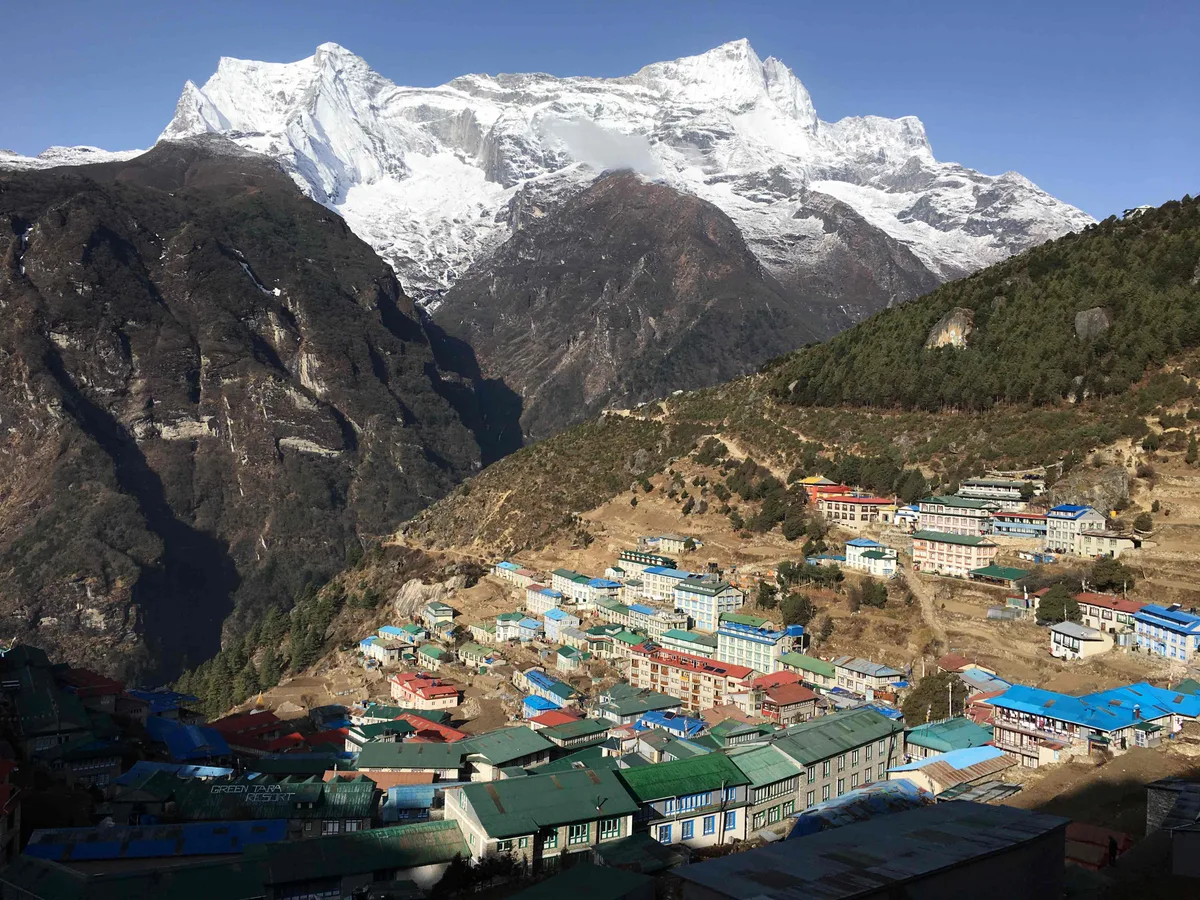
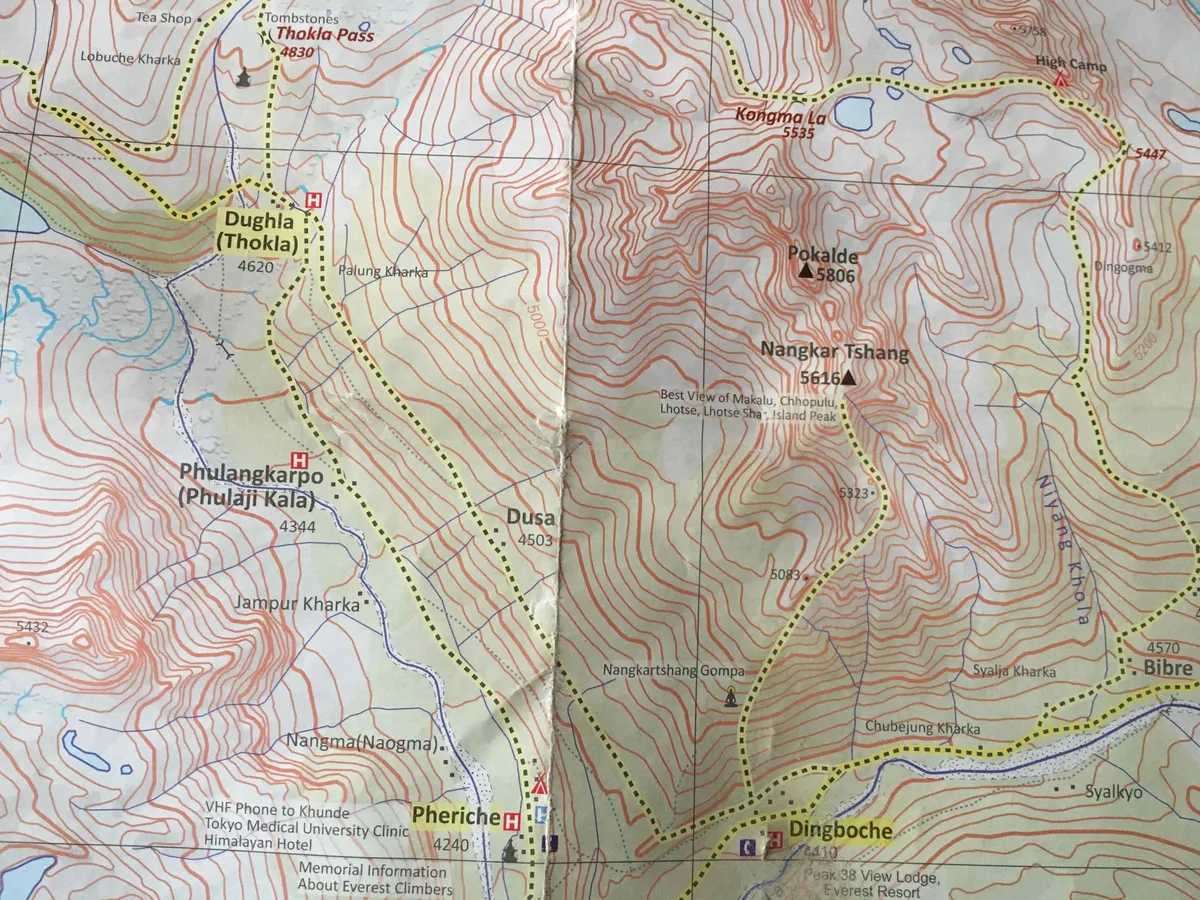
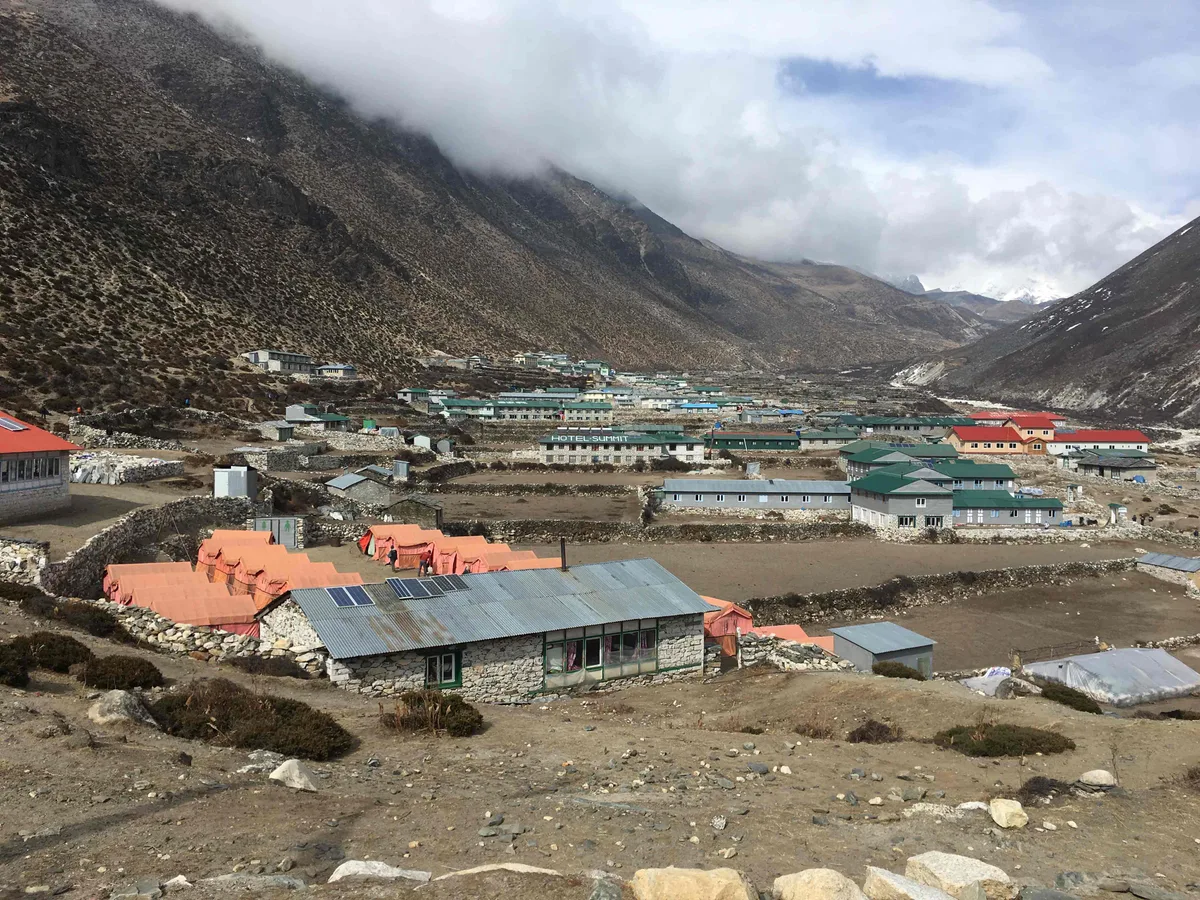
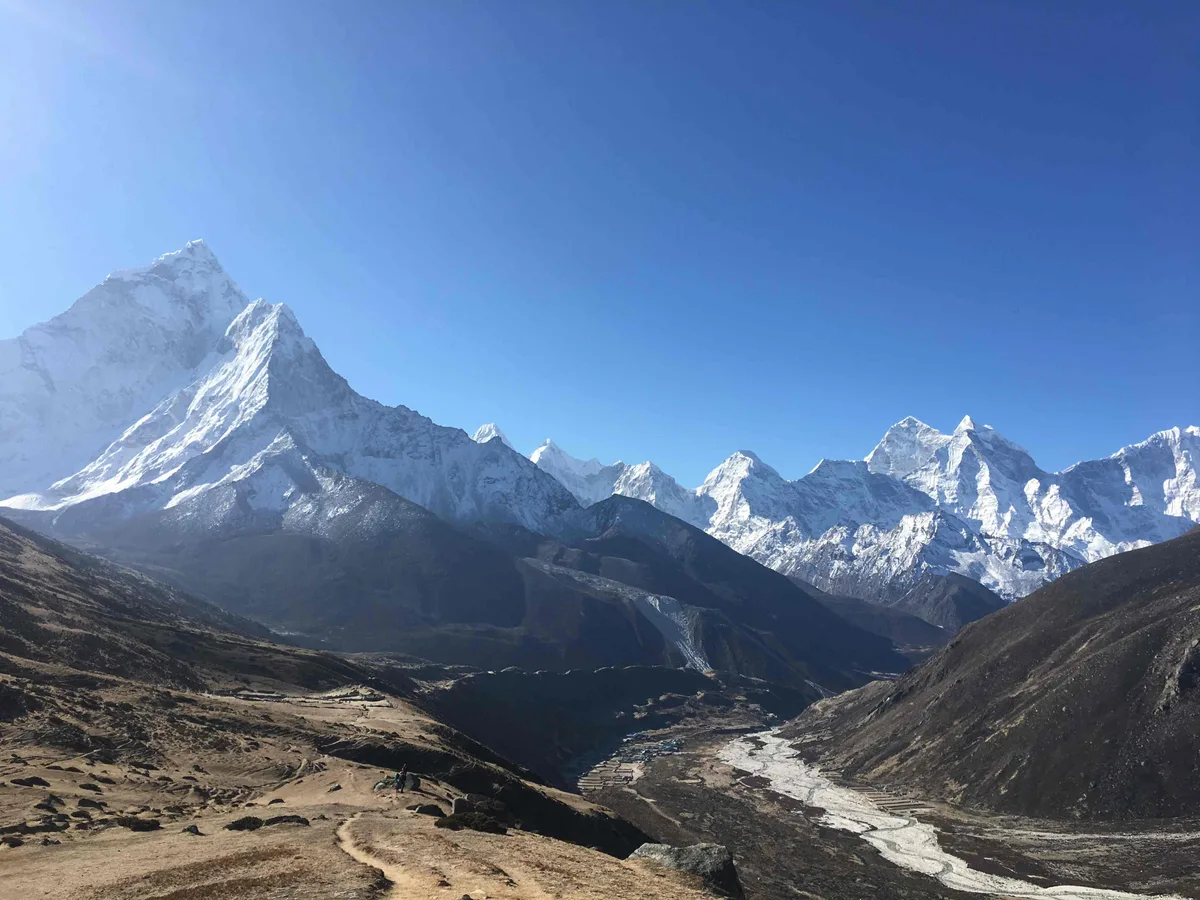
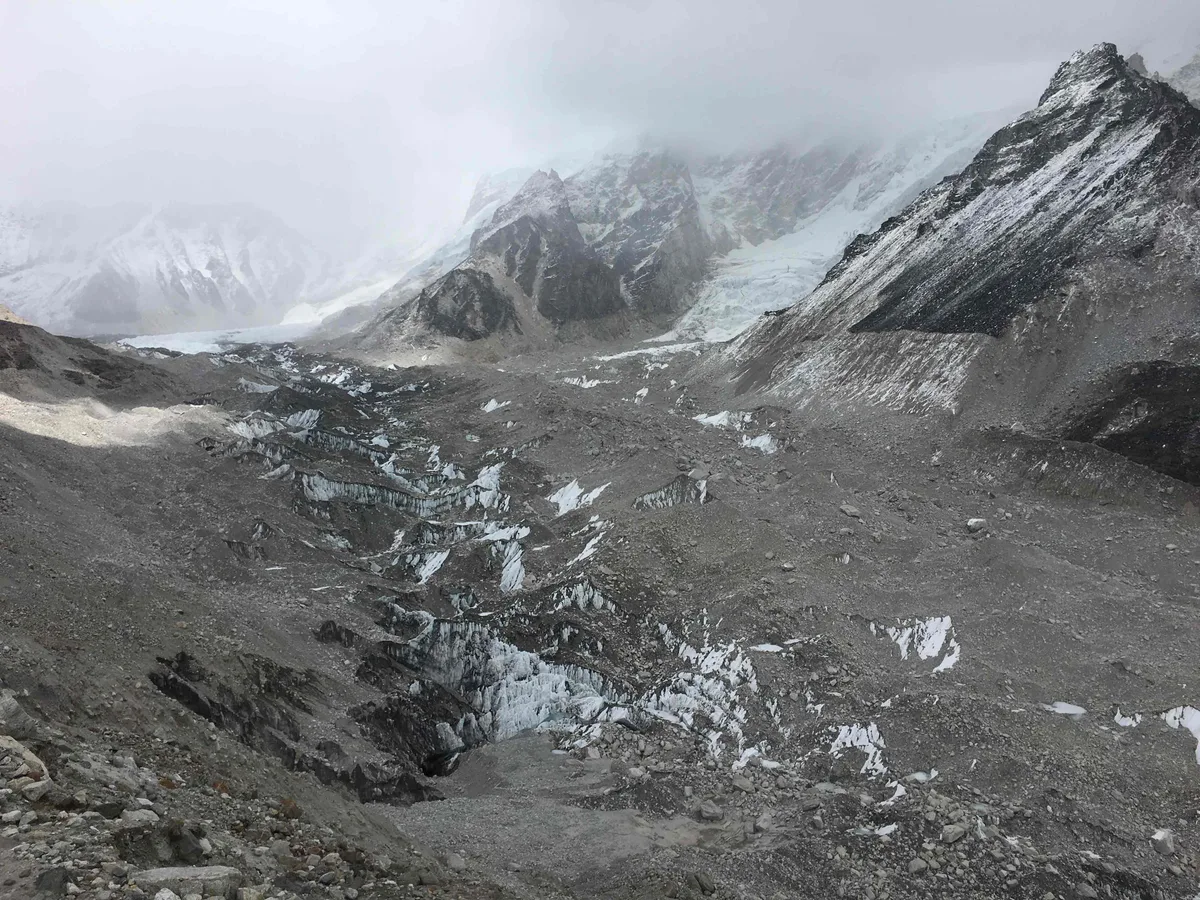
The Jiri to Everest Base Camp Trek is widely regarded as the classic and most authentic route to the foot of the world's highest mountain. Beginning in Jiri, a municipality in Dolakha District situated at approximately 6,250 feet above sea level, this 19-day journey follows the same trail that Sir Edmund Hillary and Tenzing Norgay's historic expedition once traversed. Unlike the more popular flight-in route via Lukla, this trek offers trekkers a far richer cultural and geographical experience, passing through diverse landscapes and remote communities largely untouched by mass tourism. The trek begins with a scenic, if winding, 6–8 hour drive from Kathmandu to Jiri, after which trekkers descend and ascend a series of dramatic ridgelines through alpine forests, terraced farmland, and traditional Sherpa and mixed-ethnic villages. Along the route, highlights include ancient Buddhist monasteries, mani walls, prayer flags, and glacial rivers that grow in grandeur as the trail climbs higher into the Khumbu region. Key waypoints include Namche Bazaar — the Sherpa capital — Tengboche Monastery, Dingboche, Lobuche, and finally Gorakshep, the last settlement before Everest Base Camp at 5,364 metres. The trek also includes an ascent of Kala Patthar (5,545 metres), renowned for offering one of the most spectacular panoramic views of Mount Everest and the surrounding Himalayan giants. The return journey is made efficiently via a flight from Lukla back to Kathmandu. This route is rated moderate and is ideal for those who wish to immerse themselves deeply in Himalayan life, culture, and biodiversity. A professional guide accompanies all trekkers throughout. Permits for Sagarmatha National Park and a TIMS card are included in the package price.
What's included
✓ Professional guide
✓ Entry permits for Sagarmatha National Park
✓ Trekkers' Information Management System (TIMS) card
✓ All meals three times a day (breakfast, lunch, dinner) for staff during the trek
✓ Accommodation in teahouses (lodges) for trekkers during the trek
✓ Accommodation in teahouses (lodges) for staff during the trek
✓ Necessary equipment (sleeping bag, down jacket, etc.) for staff during the trek
✓ Insurance and equipment for Nepali staff
✓ Transport: Kathmandu to Jiri/Deurali by bus/jeep/hiace
✓ Lukla to Kathmandu flight tickets for trekkers and Nepali staff
✓ Airport tax at Kathmandu domestic airport and Lukla airport
✓ Airport pick-up and drop-off services
✓ Local tax
✓ Government tax and VAT
✓ Company service charge
Not included
✕ Emergency mountain medical rescue insurance
✕ Personal expenses such as drinks, beverages, hot showers, etc.
✕ Tips for guides and staff
✕ All meals three times a day (breakfast, lunch, dinner) for trekkers during the trek
🌿 Cultural Note
This route passes through traditional Sherpa villages as well as communities of other ethnic groups. Trekkers should show respect at Buddhist monasteries and stupas by walking clockwise around mani walls and chortens, removing shoes before entering temples, and asking permission before photographing locals. The Sherpa people are renowned for their warmth and hospitality, and a basic understanding of local customs will greatly enrich the experience.
Cancellation Policy — Moderate
Cancellation time is measured from your trip start date.
Reviews
No reviews yet — be the first to leave one after your trip.
Useful information