We use cookies to understand how people use Nepal Untrodden and to improve the site. See our Privacy Policy for details. No data is sold.
Duration
9 days
Max Altitude
3.2 km
Difficulty
Easy
Best months to visit
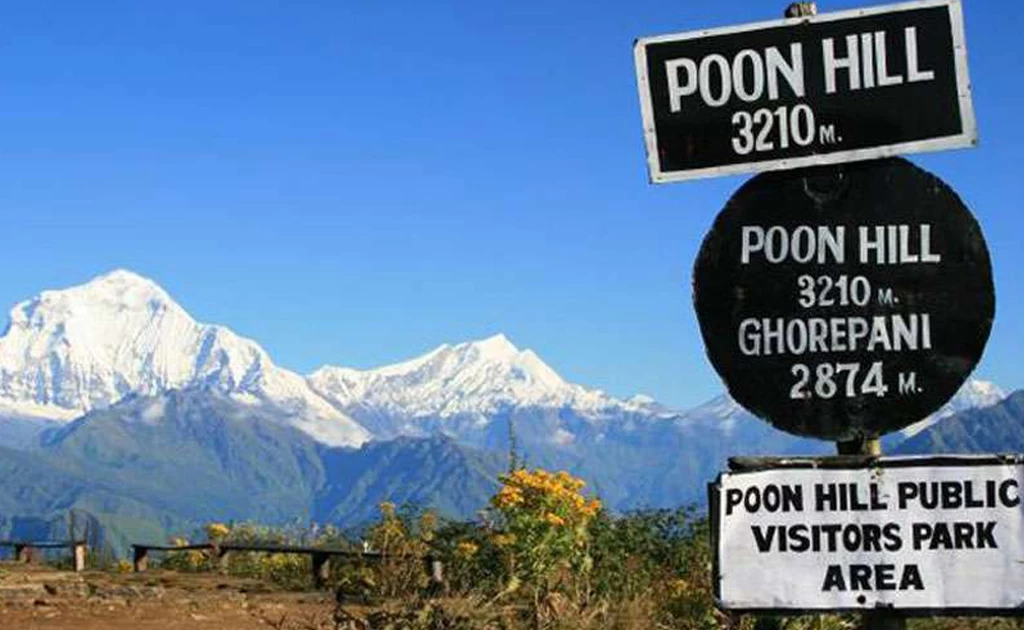
The Ghorepani Poon Hill Trek is one of Nepal's most beloved short trekking routes, winding through the breathtaking foothills of the Annapurna region over nine rewarding days. This trek is perfectly suited for those with limited time who still wish to experience the grandeur of the Himalayas, offering an accessible yet unforgettable adventure through diverse landscapes and vibrant local cultures. The trail departs from Nayapul and ascends through terraced rice paddies above Pokhara, passing through picturesque Gurung and Magar villages where traditional mountain life continues largely unchanged. Trekkers journey through some of the world's largest rhododendron forests, which blaze with crimson and pink blooms during spring, and listen to the calls of rare Himalayan birds in the dense, mossy canopy. Deep subtropical valleys give way to cooler alpine terrain as the route climbs steadily toward Ghorepani. The undisputed highlight of the trek is the pre-dawn ascent of Poon Hill at 3,210 metres, where trekkers are rewarded with one of Nepal's most iconic panoramic mountain views. As the first rays of sunlight wash over the snow-capped summits, Annapurna South, Dhaulagiri, Machhapuchhare (Fishtail Peak), and a host of other giants glow in shades of gold and rose — a truly humbling spectacle. The return route descends through Tadapani and the charming stone-paved village of Ghandruk, offering further opportunities to engage with welcoming local communities and soak in sweeping valley vistas. The trek is classified as easy to moderate, making it accessible for first-time trekkers and families, while still delivering remarkable scenery, cultural richness, and a genuine sense of Himalayan adventure. Accommodation is provided in comfortable teahouses along the trail, with meals included throughout the trekking days. The Ghorepani Poon Hill Trek can be undertaken in all seasons, each offering its own distinctive character and charm.
What's included
✓ Airport pickup and drop-off by private car/van/bus
✓ 3-star accommodation in Kathmandu with free breakfast (arrival and post-trek nights)
✓ Hotel accommodation in Pokhara with free breakfast
✓ Standard meals (breakfast, lunch and dinner) during trekking
✓ All necessary paperwork and conservation entry permits
✓ Ground transportation by private car or flight between Kathmandu and Pokhara
✓ Private taxi from Pokhara to trek starting point and ending point to Pokhara
✓ All accommodation in lodges/teahouses during the trek
✓ Trekkers' Information Management System (TIMS) permit
✓ Experienced and friendly guide
✓ Porters (1 porter per 2 trekkers)
✓ Salary, food, drinks, accommodation, transportation and insurance for guide and porter
✓ Two nights accommodation in Pokhara (first and last nights of trekking)
✓ Arrangement of emergency helicopter service (paid by travel insurance)
✓ Medical supplies and first aid kit
✓ Farewell dinner at a typical Nepali restaurant with cultural dance show
✓ All government taxes, VAT, official expenses and service charges
✓ Licensed guide
✓ Sleeping bag
✓ Trekking permits
✓ Down jacket
✓ Drinking water
✓ Accommodation
✓ Breakfast & dinner
✓ Map & route guide
✓ Porter
✓ First aid kit
✓ Airport transfers
Not included
✕ Major meals in cities (Kathmandu and Pokhara)
✕ Personal expenses such as bar bills, bottled water, tea/coffee, snacks, hot showers, battery recharging, and laundry
✕ Personal clothing, gear, sleeping bag and down jacket
✕ Tipping for guides and porters
✕ Costs arising from flight cancellation, emergency rescue, landslide, weather, political unrest, illness or re-routing beyond operator control
🌿 Cultural Note
The Ghorepani Poon Hill Trek passes through villages inhabited by Gurung and Magar ethnic communities, who maintain rich traditions of hospitality and mountain culture. Trekkers are encouraged to greet locals with a respectful 'Namaste' and ask permission before photographing individuals. Removing shoes before entering teahouses or homes is customary. The region is also significant for its Buddhist and Hindu shrines; trekkers should walk clockwise around mani walls and stupas as a sign of respect. Supporting local businesses by purchasing goods and meals from village teahouses helps sustain these remote mountain communities.
Cancellation Policy — Moderate
Cancellation time is measured from your trip start date.
Reviews
No reviews yet — be the first to leave one after your trip.
Useful information