We use cookies to understand how people use Nepal Untrodden and to improve the site. See our Privacy Policy for details. No data is sold.
Duration
15 days
Max Altitude
5.6 km
Difficulty
Moderate
Best months to visit
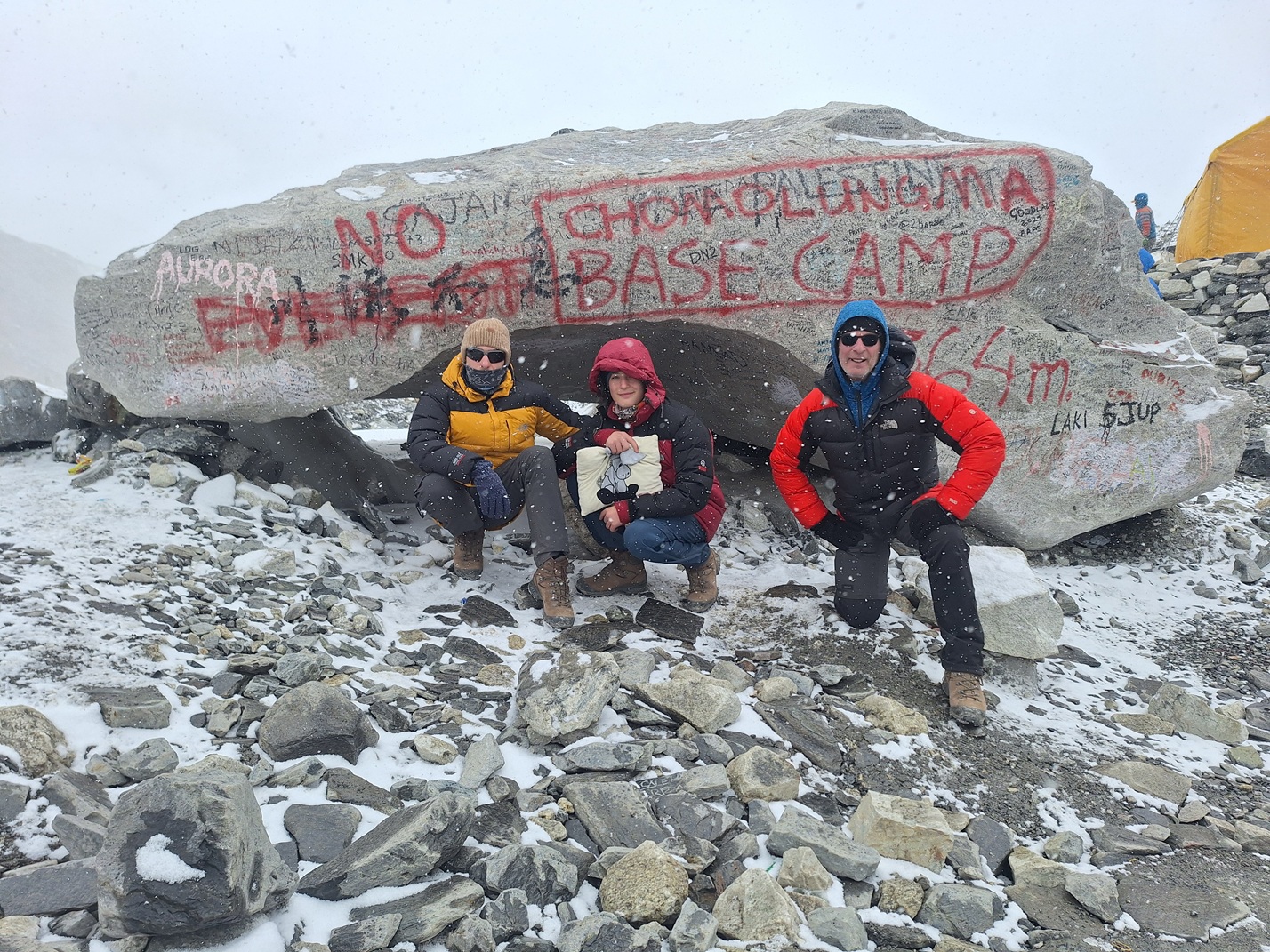
The Everest Base Camp Trek is one of the most iconic and celebrated trekking routes in the world, drawing thousands of adventurers each year to the heart of the Himalayas in Nepal's Solukhumbu district. Beginning with a thrilling scenic flight to Lukla — one of the world's most extreme airports — trekkers embark on a journey through some of the most breathtaking landscapes on Earth, passing through lush rhododendron forests, dramatic river gorges, and high-altitude glacial terrain. The trail winds through famous Sherpa settlements including Phakding, Namche Bazaar, Tengboche, Dingboche, and Lobuche before culminating at the legendary Everest Base Camp (5,364 m), the staging ground for expeditions to the world's highest summit. The highest point of the trek is Kalapatthar at 5,644.5 m, which offers unrivalled close-up panoramic views of Mt. Everest, Cho Oyu, Pumori, Lhotse, the Nuptse Wall, and the graceful pyramid of Ama Dablam. Two acclimatization days — at Namche Bazaar and Dingboche — are built into the itinerary to help trekkers adjust to altitude and reduce the risk of altitude sickness. The route passes through the UNESCO-listed Sagarmatha National Park, a haven for wildlife including Himalayan tahr, red pandas, and snow leopards. Sherpa culture is deeply interwoven throughout the trek. Namche Bazaar serves as the commercial and cultural hub of the Khumbu region, while the ancient monastery at Tengboche offers a serene window into Tibetan Buddhist traditions. Throughout the journey, trekkers are hosted in teahouses offering warm meals and comfortable basic accommodation. Rated as a moderate trek, the Everest Base Camp route is suitable for trekkers with reasonable fitness and some prior hiking experience. The best seasons are spring (March to May) and autumn (September to November), when weather conditions are stable, skies are clear, and mountain views are at their most spectacular. This 15-day adventure is a perfect blend of natural wonder, cultural immersion, and high-altitude adventure that remains a bucket-list experience for trekkers worldwide.
What's included
✓ Teahouse accommodation during the trek (basic twin-sharing)
✓ Twin-sharing standard hotel in Kathmandu (3 nights)
✓ Full board meals (breakfast, lunch, dinner) during the trek
✓ Breakfast only in Kathmandu
✓ Airport arrival and departure transfers via private vehicle
✓ Domestic flight Kathmandu to Lukla and return (or as scheduled)
✓ Professional English-speaking licensed trekking guide
✓ 1 porter for every 2 trekkers (10 kg luggage limit per trekker)
✓ All guide and porter expenses (wages, accommodation, meals, transportation, insurance, medications)
✓ Sagarmatha National Park permit
✓ Khumbu Rural Municipality permit
✓ TIMS (Trekkers Information Management System) card
✓ Complimentary duffel bag
✓ Complimentary sleeping bag
✓ Trekking map
✓ Water purification solution
✓ First-aid kit
✓ Emergency evacuation (funded by travel insurance)
✓ All government and local taxes and administrative expenses
✓ Complimentary farewell dinner
Not included
✕ International airfares
✕ Nepal visa fees
✕ Travel insurance
✕ Personal expenses (clothes, device charging, Wi-Fi, hot water, laundry, etc.)
✕ Lunch and dinner in Kathmandu
✕ Bottled mineral water, alcoholic drinks, cold drinks, juices, tea/coffee
✕ Extra baggage charges (above 10 kg limit)
✕ Extra costs due to unforeseen events (flight delays, natural disasters, etc.)
✕ Tips for guides, porters, or donations
✕ Extra night accommodation in Kathmandu due to early arrival or late departure
✕ Any costs not listed in the inclusions
🌿 Cultural Note
The Khumbu region is home to the Sherpa people, whose culture is deeply rooted in Tibetan Buddhism. Trekkers should dress modestly when visiting monasteries, remove shoes before entering religious sites, and walk clockwise around mani walls, stupas, and chortens. It is respectful to ask permission before photographing locals or religious ceremonies. The monastery at Tengboche is one of the most sacred in the region and deserves quiet reverence. Namche Bazaar functions as the Sherpa capital and commercial heart of the Khumbu, offering a fascinating blend of traditional and modern Himalayan life.
Cancellation Policy — Moderate
Cancellation time is measured from your trip start date.
Reviews
No reviews yet — be the first to leave one after your trip.
Useful information